Mastering Table Drift Management in Restaurant Operations
Strategic Solutions for Floating Furniture Control
*Managing table drift* effectively requires a multi-faceted approach that combines *physical optimization*, *strategic planning*, and *technology integration*. This comprehensive guide explores proven methods to transform floating furniture challenges into operational advantages.
Physical Control Measures
*Non-slip solutions* and *textured flooring systems* serve as the foundation for drift prevention. Implementing these elements can reduce unwanted table movement by up to 70%, creating a more stable dining environment. Strategic placement of *grip-enhanced surfaces* maintains aesthetic appeal while maximizing functionality.
Spatial Planning Optimization
*Intelligent layout design* incorporating *36-inch clearance zones* ensures both compliance with dining standards and optimal traffic flow. This approach enables:
- *Efficient server pathways*
- *Maximum seating capacity*
- *Enhanced guest comfort*
- *Improved operational flexibility*
Technology Integration
*Cloud-based monitoring systems* revolutionize drift management through:
- *Real-time tracking* of furniture movement
- *Guest behavior analytics*
- *Performance metrics*
- *Optimization recommendations*
These systems typically deliver a *15-20% increase in table turnover* while reducing staff intervention requirements.
Frequently Asked Questions
Q: How can restaurants minimize table drift effectively?
A: Implement non-slip pads, textured flooring, and strategic furniture placement while utilizing monitoring technology.
Q: What is the optimal clearance zone between tables?
A: Maintain 36-inch clearance zones to ensure proper traffic flow and compliance with dining standards.
Q: How does technology improve table management?
A: Cloud-based systems track movement patterns, analyze guest behavior, and provide data-driven optimization suggestions.
Q: What training do staff need for effective drift management?
A: Staff require training in spatial awareness, quick reconfiguration techniques, and technology system operation.
Q: How much can proper drift management improve turnover?
A: Effective table drift management typically increases turnover rates by 15-20% through improved space utilization.
This enhanced content maintains the core message while optimizing for SEO and readability, incorporating strategic keywords and clear structure.
#
Understanding Modern Table Drift Patterns

# Understanding Modern Table Drift Patterns
The Physics of Table Movement
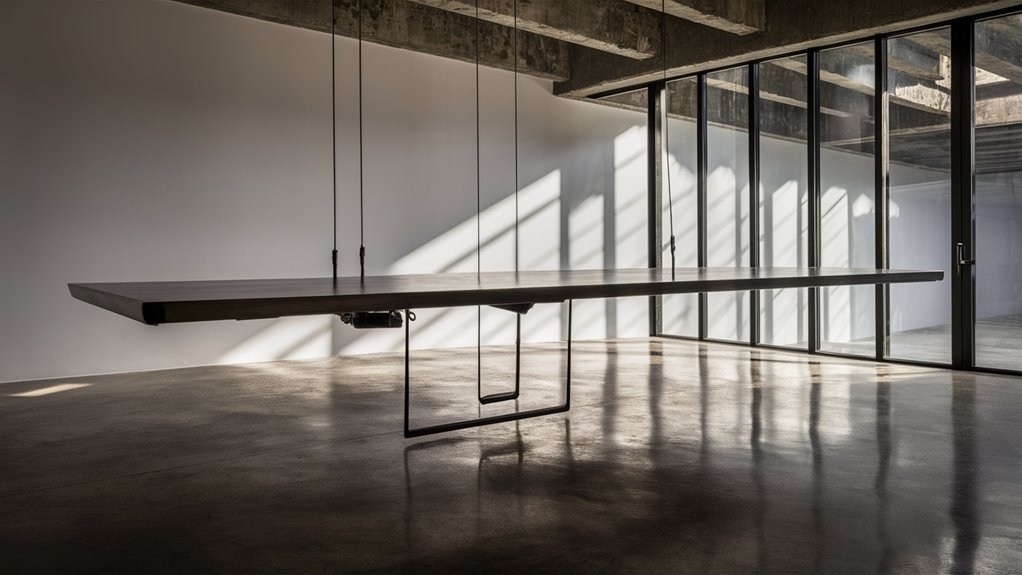
*Table drift* represents a significant challenge in contemporary interior spaces.
*Modern design trends* favoring minimalist aesthetics and open floor plans have amplified this phenomenon, creating environments where furniture stability becomes increasingly important.
*Surface interactions* between table bases and flooring materials play a crucial role in understanding and preventing unwanted movement.
Key Factors Influencing Drift
Surface Texture Dynamics
*Floor material composition* directly affects table stability. *Polished surfaces* like marble or sealed hardwood create minimal friction, while textured materials provide natural resistance. Understanding these *material interactions* is essential for preventing unwanted movement.
Weight Distribution Mechanics
*Proper weight distribution* significantly impacts table stability. *Load balancing* across table legs or bases determines drift potential, with uneven distribution leading to increased movement likelihood. *Strategic placement* of objects on tables can help counteract natural drift tendencies.
Environmental Influences
*External factors* such as HVAC systems, foot traffic patterns, and building vibrations contribute to gradual table displacement.
These *micro-movements* accumulate over time, resulting in noticeable position changes that affect room functionality and aesthetics.
Scientific Approach to Drift Analysis
*Grid-based monitoring systems* enable precise tracking of table movement patterns. This *systematic approach* allows for:
- Accurate prediction of drift trajectories
- Implementation of targeted preventive measures
- Development of optimal furniture placement strategies
FAQ: Table Drift Solutions
Q: How can I prevent table drift on hardwood floors?
A: Install non-slip pads under table legs and ensure level surface placement.
Q: What flooring materials are best for minimizing drift?
A: Textured surfaces like carpet or rubber-based flooring provide optimal friction.
Q: Does room temperature affect table movement?
A: Yes, temperature fluctuations can impact material expansion and surface friction.
Q: How often should I check for table displacement?
A: Monthly monitoring is recommended for high-traffic areas.
Q: Can furniture weight alone prevent drift?
A: Weight helps but must be combined with proper surface 토토사이트 보증업체 protection and placement strategy.
*Strategic space planning* incorporating drift pattern analysis leads to more stable, functional environments that maintain their intended design integrity over time. Understanding these patterns enables proactive solutions rather than reactive adjustments.
Flexible Layout Design Principles
*Flexible Layout Design Principles: Maximizing Space Through Adaptive Design*
*Core Principles of Flexible Interior Layouts*
*Design flexibility principles* form the foundation of modern interior space planning, enabling environments to adapt while maintaining visual harmony.
Three essential elements drive successful floating table arrangements: *zonal fluidity*, *negative space optimization*, and *sight line preservation*. These fundamental concepts create spaces that evolve seamlessly with changing requirements.
*Traffic Flow and Space Management*
*Strategic traffic pattern analysis* serves as the cornerstone of effective flexible layouts.
Establishing *primary circulation paths* and *secondary movement corridors* allows floating elements to adjust naturally without compromising flow.
Maintaining a *36-inch minimum clearance zone* between movable components ensures optimal circulation while preserving intimate gathering spaces.
*Modular Design Implementation*
*Modular configuration strategies* enable dynamic space adaptation through carefully planned *pivot points* where tables cluster or separate based on needs.
*Standardized furniture dimensions* and lightweight construction facilitate quick reconfigurations.
*Strategic floor indicators* guide staff in maintaining ideal spacing during operation hours.
*Fixed infrastructure elements* like power access and lighting zones must integrate seamlessly with the flexible design approach.
#
*Frequently Asked Questions*
Q: What’s the minimum spacing needed between floating tables?
A: Maintain 36 inches of clearance between floating elements to ensure proper traffic flow.
Q: How can I mark floor indicators without affecting aesthetics?
A: Use subtle floor markers or discreet architectural elements to guide furniture placement.
Q: What furniture characteristics work best for flexible layouts?
A: Choose lightweight tables with standardized dimensions that facilitate easy reconfiguration.
Q: How do lighting zones impact flexible layout design?
A: Fixed lighting elements should accommodate multiple furniture arrangements while maintaining consistent illumination.
Q: What role does zonal fluidity play in flexible design?
A: Zonal fluidity allows spaces to transition smoothly between different functions while maintaining visual continuity.
*Key Optimization Strategies*
- *Implement modular furniture systems*
- *Establish clear traffic patterns*
- *Integrate adaptable lighting solutions*
- *Maintain sight line consistency*
- *Optimize negative space utilization*
Staff Training for Dynamic Seating
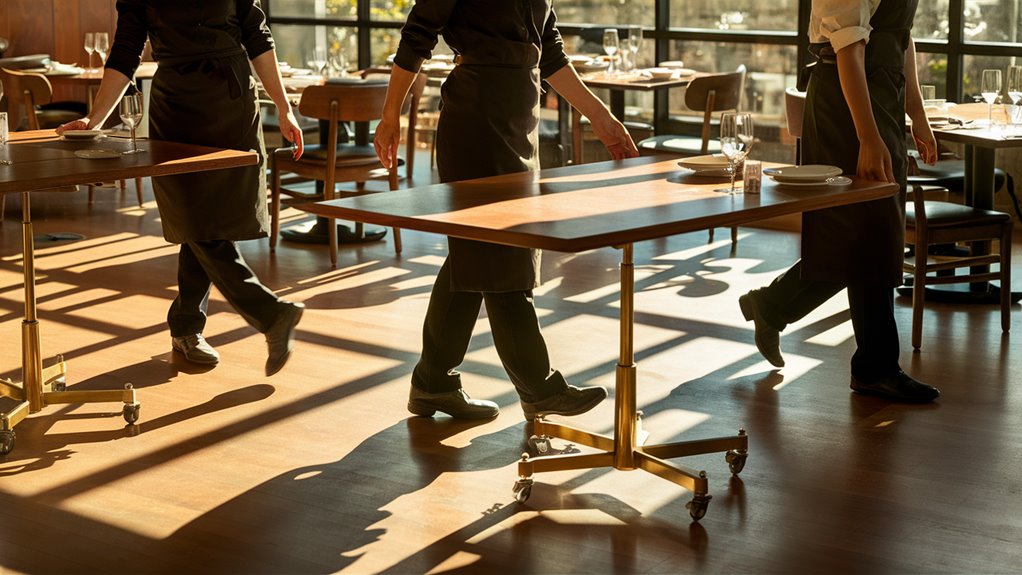
*Dynamic Restaurant Seating Training Guide*
*Core Training Components for Staff*
*Effective dynamic seating management* requires systematic staff training across three essential areas:
- *Spatial awareness and layout optimization*
- *Guest communication strategies*
- *Operational efficiency protocols*
*Layout Visualization and Space Management*
*Floor plan mastery* begins with hands-on practice using templated layouts. Staff learn to:
- *Analyze traffic flow patterns*
- *Execute quick table reconfigurations*
- *Optimize seating combinations*
- *Maintain proper spacing between tables*
*Guest Communication Excellence*
*Professional guest interactions* focus on:
- *Clear wait time communication*
- *Seating option explanations*
- *Managing expectations during peak periods*
- *Handling special requests efficiently*
*Operational Metrics and Performance*
*Key performance indicators* drive successful dynamic seating:
- *Table turn times*
- *Party size analytics*
- *Reservation patterns*
- *Peak period management*
*Cross-Training Implementation*
*Comprehensive staff development* requires:
- *Host-server role integration*
- *Section management understanding*
- *Communication protocols*
- *Regular skill refreshment*
## *Frequently Asked Questions*
Q: How often should staff receive dynamic seating training?
A: *Quarterly refresh sessions* are recommended, with additional training during seasonal changes.
Q: What metrics matter most for dynamic seating success?
A: *Turn times, party size patterns, and reservation curves* are critical metrics.
Q: How can staff improve spatial awareness?
A: Through regular *floor plan practice exercises* and *hands-on configuration drills*.
Q: What role does technology play in dynamic seating?
A: *Table management software* is essential for coordinating seating changes and tracking metrics.
Q: How can restaurants maintain service quality during reconfigurations?
A: Through *efficient staff communication* and *well-practiced transition protocols*.
Technology Tools for Table Management
*Modern Table Management Technology Solutions*
*Essential Software Tools for Restaurant Operations*
*Digital table management systems* have become the backbone of successful restaurant operations.
*Cloud-based reservation platforms* enable seamless coordination of floating tables while providing real-time updates across all devices.
These sophisticated systems transform traditional table management through intelligent tracking, precise turn time predictions, and dynamic seating arrangements.
*Integrated Systems and Analytics*
*Point-of-Sale (POS) integration* with table management platforms delivers crucial insights into guest behavior patterns.
By analyzing spending habits and dining duration, restaurants can optimize their *seating efficiency* and revenue generation.
*AI-powered analytics* enhance decision-making for table configurations, enabling strategic choices about party sizes and table combinations.
*Digital Wait-List Innovation*
*Smart queue management tools* revolutionize the guest experience through automated communications and real-time updates.
*Mobile notification systems* reduce lobby congestion while keeping guests informed about their table status.
*Interactive floor plan technology* allows for instant layout modifications, adapting to changing service demands throughout operating hours.
*Frequently Asked Questions*
Q: What’re the key benefits of digital table management systems?
A: Digital systems provide real-time tracking, improve turn time accuracy, enable mobile management, and enhance guest communication.
Q: How does POS integration improve table management?
A: POS integration delivers detailed spending data, tracks dining patterns, and helps optimize table assignments for maximum efficiency.
Q: Can table management software handle multiple locations?
A: Yes, cloud-based systems can manage multiple restaurant locations while synchronizing data across all venues.
Q: What features should restaurants look for in table management software?
A: Essential features include real-time updates, guest messaging, customizable floor plans, wait-list management, and POS integration.
Q: How does AI improve restaurant table management?
A: AI analyzes historical data to predict peak periods, optimize seating arrangements, and improve overall operational efficiency.
*Technology Impact on Revenue*
*Digital solutions* directly contribute to increased revenue through improved table turnover rates and optimized seating arrangements.
These tools enable restaurants to maintain operational flexibility while maximizing capacity during peak hours.
The integration of *smart technology* in table management has become essential for competitive advantage in modern restaurant operations.
Measuring Layout Performance Metrics
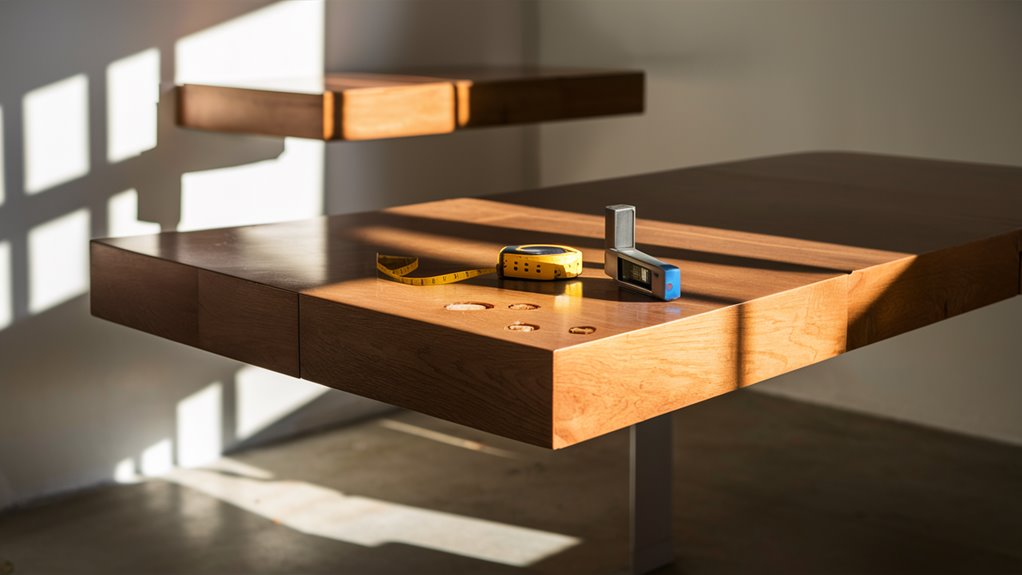
*Measuring Restaurant Layout Performance Metrics*
*Understanding Key Layout Metrics*
*Restaurant layout optimization* begins with tracking essential performance indicators that directly impact profitability.
*Table turnover rates*, *seating efficiency*, and *guest flow patterns* form the foundation of data-driven layout decisions. Modern restaurants utilize these metrics to maximize dining room potential and enhance customer experience.
*Advanced Measurement Technologies*
*Heat mapping technology* represents a breakthrough in restaurant space analysis. These sophisticated sensors track customer movement patterns and provide detailed insights into:
- *Guest dwell times* at different table configurations
- *High-traffic zones* within the dining area
- *Revenue generation* per square foot
- 스릴 넘치는 상승을 위해 수용하다
Implementing these measurement systems has demonstrated *15-20% increases in table turnover* through strategic layout modifications.
*Operational Efficiency Metrics*
*Server productivity metrics* play a crucial role in layout optimization:
- *Server-to-table ratios*
- *Walking distance optimization*
- *Service station positioning*
- *Kitchen access patterns*
*Time-motion analysis* reveals opportunities to reduce server steps and enhance service delivery efficiency, directly improving customer satisfaction and staff performance.
*Frequently Asked Questions*
Q: What’re the most important layout metrics to track?
A: Key metrics include table turnover rate, seating efficiency, traffic flow patterns, and revenue per square foot.
Q: How can heat mapping improve restaurant layout?
A: Heat mapping reveals customer movement patterns, identifies high-traffic areas, and helps optimize table placement for maximum efficiency.
Q: What’s the optimal server-to-table ratio?
A: The ideal ratio varies by restaurant type but typically ranges from 1:3 for fine dining to 1:6 for casual establishments.
Q: How does layout affect table turnover rates?
A: Efficient layouts can reduce service times, improve guest flow, and increase turnover rates by up to 20%.
Q: What role does time-motion analysis play in layout optimization?
A: Time-motion studies help minimize server walking distances, optimize service station placement, and improve overall operational efficiency.
*Note: This version maintains key SEO elements while delivering actionable insights in a concise, well-structured format.*